
How to Plan Your Wedding: A Step-By-Step Guide
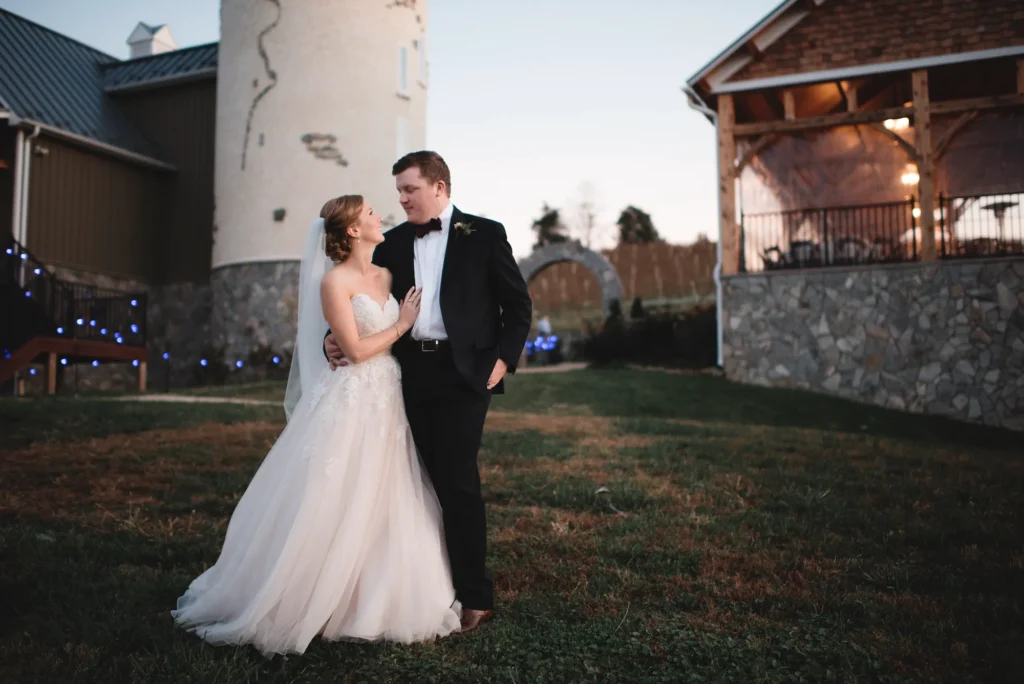
Engagement bliss can quickly turn into stress when you start the wedding planning process. While securing the major things like a dress, food, and flowers are usually the first items checked off your list, smaller details and logistics can easily go unaccounted for even though they play a major role in your big day.
Instead of taking an ad hoc approach, enlist a simple plan with clear steps to help you reduce stress, stay organized, and craft a smooth wedding to the best of your ability. One of the most important factors is having a venue that can seamlessly integrate into your planning process and accommodate the vision you have already put into motion. Choosing an establishment like Creek’s Edge Winery guarantees a versatile venue with scenic views that will make your wedding feel simple and special.
Step 1: Define Your Wedding Vision
Laying the groundwork for what you want your day to look like serves as a crucial foundation for the rest of the planning process. These considerations include budget, guest count, and season, and then account for how all of these factors will align with your venue expectations. For example, your ideal venue may have a guest minimum or lack accommodations for the outdoor ceremony you had in mind. Here are some of the best ways to curate your personal style for your wedding:
Pros: You can organize your favorite photos into different “boards” to sort all of your inspiration photos by category, like dress, cake, flowers, etc.
Cons: A lot of photos on Pinterest come from professional, high budget shoots versus real weddings that may not be realistic for the average bride and groom.
TikTok
Pros: Content from real people showing the choices they made on their wedding day, often with commentary about what worked for them and what they may have done differently.
Cons: The algorithm is designed for quick consumption over intentional planning so you may find it difficult to navigate to the content you actually need.
Physical Vision Board
Pros: A tangible, hands-on way to have everything laid out in front of you.
Cons: Time consuming and will be difficult to keep track of the source of the images if you want to come back to one later.
Step 2: Tour Wedding Venues
Photos are great, but they can only paint part of the picture. Touring the venue in-person really allows you to get a sense of what the space will feel like on your wedding day. Try to consider the decorations and details you have in mind for the event to consider how the look of the space will change on the actual day. You will also want to ask if that vision can be executed by the venue. Some other important things to look out for during your visit are:
- Bridal suite/getting-ready spaces
- Ceremony space options (including backup plans for poor weather if your ceremony is outside)
- Reception room size and layout
- Staging area for vendors
- How the lighting looks throughout the day
- Venue-specific restrictions (candles, sparklers, etc.)
- Noise pollution from surrounding areas
- Cleanup and setup responsibilities
Step 3: Set Your Wedding Date Early
As soon as you have your ideal date in mind, best practice is to lock it in. Wedding venues go quickly and there are only so many weekends in a season. Most weddings take place on Saturdays, preceded by a rehearsal dinner for the wedding party on Friday night and sometimes followed by a Sunday brunch or lunch. Opting for a different day can save money, but some people will be coming in from out of town and/or will need to take off work, so make sure you are accounting for your potential guests’ schedules.
Choose a date that gives you enough time to plan the wedding you have in mind; if that is a smaller, more intimate wedding give yourself 6-9 months, whereas a larger more elaborate wedding will require a year to a year and a half to make sure you can find vendors with availability.
Planning Chart
For example, here is a chart that shows which prior month you should start planning for a small wedding based on the month of your chosen date depending on if you want to plan 6, 7, 8, or 9 months in advance:
| 6 Months | 7 Months | 8 Months | 9 Months | |
|---|---|---|---|---|
| January | July | June | May | April |
| February | August | July | June | May |
| March | September | August | July | June |
| April | October | September | August | July |
| May | November | October | September | August |
| June | December | November | October | September |
| July | January | December | November | October |
| August | February | January | December | November |
| September | March | February | January | December |
| October | April | March | February | January |
| November | May | April | March | February |
| December | June | May | April | March |
Step 4: Build Your Vendor Team
Weddings are a group effort pieced together by a variety of different vendors. Your venue may have recommended vendors or options to provide services like catering, but for the most part you will source the rest of your vendor team. This may feel overwhelming, but it’s also a fun opportunity to customize your wedding exactly the way you want it without being limited by any one venue’s options. An example of a vendor lineup would be:
- Photographer and videographer
- Caterer
- Wedding cake/dessert
- Bar services
- Florist
- Hair and makeup (which can extend to your wedding party)
- DJ or live music
- Officiant
Step 5: Design Your Wedding Aesthetic
Honing in on the details is what really makes the wedding yours. Most people have a specific vibe in mind when choosing the larger wedding fixtures like the season, venue, and dress, so you can then choose specific colors that will help inform your bridesmaids’ dresses, flower arrangements, center pieces, and your cake. Your overall aesthetic can also carry through all of your smaller, personal touches by jazzing up things like specialty cocktails, party favors, and even seating charts.
Step 6: Plan the Guest Experience
Considering the small details of what will make the day go best for your guests really adds up. Lining up transportation like a shuttle from a designated hotel, making sure there are clear and plentiful parking spots, and signs that designate an entrance and instructions leading up to the ceremony are a great way to start off the day.
Depending on the season and location of your ceremony, you may also want to account for aids like fans or space heaters to maximize comfort. These don’t just have to be temperature related either, you can (and should) customize these to your venue, like providing temporary flip flops if your ceremony will be on the beach.
Step 7: Create Your Wedding Day Timeline
There needs to be consideration for the flow of the evening; guests will want to smoothly transition from the ceremony into the reception and won’t always know where to go
Sample flow:
- Getting ready
- Ceremony
- Cocktail hour
- Reception dinner
- Speeches
- Dancing and send-off
A good venue’s layout will account for a natural flow to minimize unnecessary walking and backtracking across the premises, so that is important to keep in mind when selecting one.
If you have a wedding planner or coordinator, they will be able to direct people on where the need to be and when. Otherwise, large signs around the venue will be crucial to make sure your herd is going in the right direction and staying on schedule.
Step 8: Prepare for Weather & Logistics
Even though you can’t control the weather, you can make sure that you have a backup plan in place. If you are planning on having an outdoor ceremony, making sure your venue has indoor or tent accommodations in case of bad weather is definitely something you’ll want to confirm ahead of booking. You’ll also want to communicate that plan with any vendors that would need to transition their services inside with the ceremony, like the florist or officiant.
When you are planning your wedding, research the region’s typical weather patterns during that season. If bad weather is to be expected (including high temperatures, not just rain!), you may want to change locations or just plan for an indoor ceremony from the beginning.
Aside from bad weather, plenty of things could go wrong at your wedding that are easy to prepare for. Things like stain remover, a comfortable change of shoes, and padding the schedule with some extra time can go a long way.
Tips for a Stress-Free Wedding
Although the planning process can feel overwhelming at times, there are ways to make sure that the day itself is anything but:
- Hire a coordinator or day-of planner
- Lock in your venue and vendor team early
- Build a weather backup plan you actually like
- Communicate guest logistics clearly
- Schedule buffer time throughout the day
- Do a full venue walkthrough before the wedding day
- Confirm alcohol policies and service rules
Plan Your Wedding at Creek’s Edge Winery in Lovettsville, VA
If you are looking for a venue that can accommodate your big day and seamlessly blend in to your planning process, Creek’s Edge Winery would love to give you a tour.