
Common Types of Wine
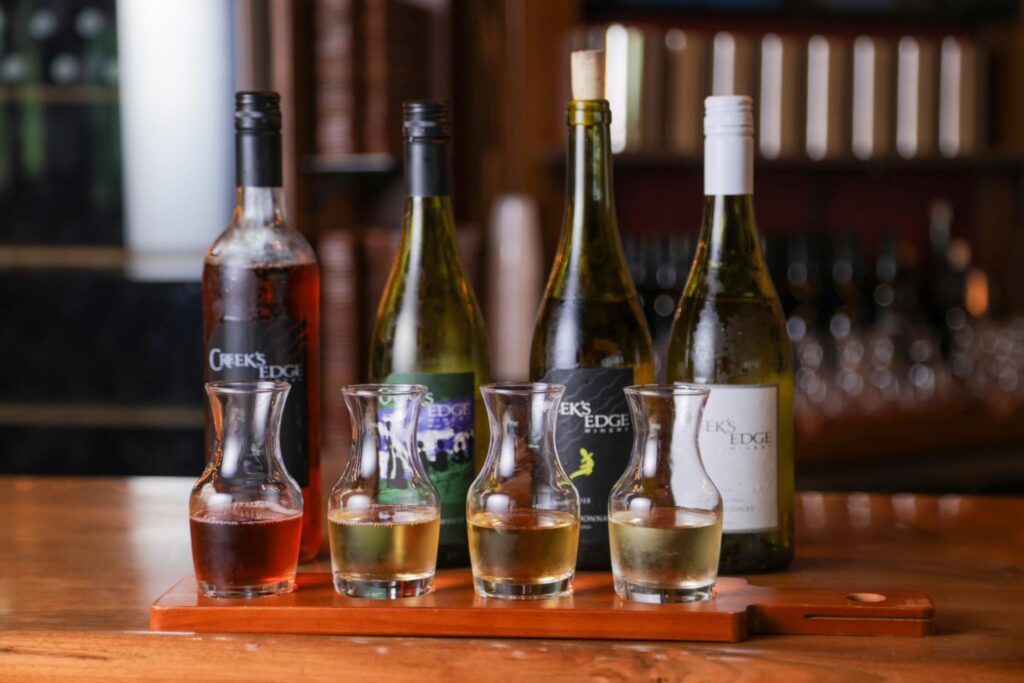
There’s a whole world inside a wine glass. One grape can come out crisp and bright in one cellar and rich and round in another. A little more time with the grape skins can turn pale juice into a deep ruby wine. And every bottle carries something of the season it grew in and the hands that made it.
That range means there’s a wine for nearly every palate, meal and kind of afternoon.
So, which one belongs in your glass? Here’s a tour through the five main types of wine, what gives each its character and how to find the ones you’ll want to come back to.
Understanding the Main Types of Wine
Wines are generally categorized by color, how they’re made and how sweet or dry they are. Those factors overlap, which is why the same grape can become very different wines depending on what happens in the cellar.
Most wines fall into five main categories:
- Red wine
- White wine
- Rosé wine
- Sparkling wine
- Dessert wine
Know these five and you’ll have a good starting point in almost any tasting room. Of course, there’s plenty of variety within each category – and that’s where the fun begins!
Red Wine Varieties
Red wine gets its color from the grape skins. While the juice of most wine grapes is pale, red wines ferment with the skins, allowing them to pick up color, tannins and flavor.
Those tannins give red wine its structure and that gently drying sensation you may notice on your palate.
Red wines often share these characteristics:
- Rich flavors ranging from red berries to dark fruit, leather and baking spice
- Higher tannins that add structure and can help a wine age
- Fuller body with more weight and presence on the palate
Popular Types of Red Wine
- Cabernet Sauvignon is a classic full-bodied red with dark fruit, spice and oak, plus firm tannins that pair beautifully with steak.
- Merlot tends to be softer and rounder, with plum, cherry and sometimes chocolate notes.
- Pinot Noir is typically light to medium-bodied, with bright berry flavors and earthy notes.
- Syrah, called Shiraz in Australia, is bold and peppery with plenty of dark fruit.
Additional Red Wine Varietals
A few more reds worth knowing, including varieties that do well here at Creek’s Edge Winery, include:
- Cabernet Franc, a parent grape of Cabernet Sauvignon, is medium-bodied and savory with soft fruit and an herbal edge.
- Petit Verdot is a traditional Bordeaux blending grape known for deep color, structure and dark fruit.
- Chambourcin is a French-American hybrid well suited to humid growing conditions, with juicy dark berry flavors and soft tannins.
- Frontenac is a hybrid grape known for deep color, bright acidity and flavors of cherry, plum and dark berries.
White Wine Varieties
White wines take a different approach. The skins are usually separated from the juice soon after pressing, helping the wine retain its pale color and lighter structure. From there, winemaking choices make a big difference. A white aged in stainless steel may stay crisp and bright, while time in oak can make the same grape rounder, softer and richer.
Common characteristics of white wine include:
- Fresh acidity that keeps the wine lively and refreshing
- Fruity and floral aromas, from citrus and green apple to peach and honeysuckle
- Light to medium body that pairs well with lighter dishes
Popular Types of White Wine
- Chardonnay is a true shapeshifter, ranging from crisp and citrusy to rich and buttery. Our Steel Chardonnay stays light and clean with a crisp apple finish, while our Oaked Chardonnay is aged 50% in oak and 50% in steel, adding caramel and lemongrass notes while keeping a smooth finish.
- Sauvignon Blanc is known for bright acidity and herbaceous flavors such as grapefruit, fresh-cut grass and green herbs.
- Riesling can range from bone-dry to lusciously sweet, often with floral aromas and stone fruit flavors.
- Pinot Grigio is light, clean and refreshing, an easy choice for a warm afternoon.
- Vidal Blanc is a French-American hybrid and a favorite in our tasting room, producing wines that can range from crisp and dry to gently sweet.
Rosé Wine: The Best of Both Worlds
Most rosé is made from red grapes, with the skins left in contact with the juice for only a short time, sometimes just a few hours. That’s enough to create its signature blush color and delicate red-fruit flavors while keeping the freshness of a white wine.
That middle ground makes rosé especially versatile:
- Made for warm weather, served chilled on a patio or under a vine-covered pergola
- Remarkably food-friendly, pairing with everything from appetizers to heartier dishes
- Available from dry to sweet, with options for nearly every palate
Our 50/50 Vidal and Chambourcin Rosé is dry, with apricot on the nose and a fresh finish. It’s exactly the kind of bottle that disappears quickly on a sunny afternoon!
Sparkling Wine Varieties
In many sparkling wines, the bubbles come from fermentation inside a sealed vessel. As yeast converts sugar into alcohol, carbon dioxide is created. With nowhere to escape, that gas dissolves into the wine and becomes the bubbles waiting inside the bottle.
Sparkling wine may be the star of celebrations, but it’s also one of the most versatile wines at the table. Its acidity and bubbles make it especially good with salty, rich and fried foods.
Popular Types of Sparkling Wine
- Champagne comes specifically from the Champagne region of France. It’s a place, not simply a style, which is why not every sparkling wine can use the name.
- Prosecco comes from northeastern Italy and is typically light and fruit-forward, with notes of green apple and pear.
- Cava comes from Spain and is traditionally bottle-fermented, often offering crisp citrus flavors and subtle nuttiness.
Dessert and Sweet Wine Varieties
Sweet wines retain some of the grape’s natural sugar rather than converting all of it into alcohol. Winemakers can create sweetness in several ways, including stopping fermentation early, fortifying the wine or allowing grapes to ripen longer on the vine.
Common styles of sweet and dessert wine include:
- Port, a fortified wine from Portugal known for rich dark fruit and a warming finish
- Moscato, typically light and floral with peach, orange blossom and gentle sweetness
- Late-harvest wines, made from grapes left on the vine longer to concentrate their sugars and flavors
Sweetness is a spectrum, and we pour wines at several points along it at Creek’s Edge. Sweet Caroline is our dessert-style white, with pear on the nose and 5% residual sugar, yet a crisper finish than you might expect. Prefer just a hint of sweetness? Water’s Edge White is off-dry, with less than 1% residual sugar and just a touch of sweetness on the finish.
How to Choose the Right Type of Wine
Knowing the categories is one thing. Choosing the bottle you’ll actually enjoy is another. Here are a few tips from our team:
Start with flavors you already like.
Bright and citrusy or deep and savory? Sweet or bone-dry? Your everyday flavor preferences can tell you more about your palate than a complicated tasting note.
Think about what you’re eating.
Dinner can often narrow down the wine list for you.
Just ask!
Tell us what you’ve enjoyed before or what you’re serving Saturday night. Our team tastes these wines every day and loves helping guests find the right fit.
Order the flight.
Side-by-side tasting is one of the easiest ways to discover what you actually like, including wines you might never have ordered by the glass.
Stay curious.
Palates change. The wine that wasn’t for you two years ago might be exactly what you reach for today.
Wine Pairing Basics: Matching Wine With Food
A simple place to start with wine pairing: match intensity with intensity and let acidity help balance richer foods.
- Red wines pair well with steak, burgers and hearty pasta dishes, where tannins complement richer proteins.
- White wines are a natural fit for seafood, chicken and lighter dishes, with acidity that lifts delicate flavors.
- Rosé works beautifully with salads, appetizers, grilled dishes and summer meals.
- Sparkling wines are excellent with celebrations, fried foods and salty snacks because the bubbles refresh your palate between bites.
- Dessert wines pair well with sweets and bold cheeses, where sweetness and saltiness can play off each other.
Explore Different Types of Wine at Creek’s Edge Winery
Tucked into the hills of Lovettsville in the heart of Virginia wine country, Creek’s Edge Winery pours everything from crisp steel-aged whites to bold reds, rosé and sweeter selections, all made onsite.
Settle in, order a flight and try something you’ve never had before. Pair it with something from our kitchen, or make discovering new favorites a regular thing with our Wine Club.
Browse our current releases or plan your visit and come find your new favorite!